Why this blog exists?
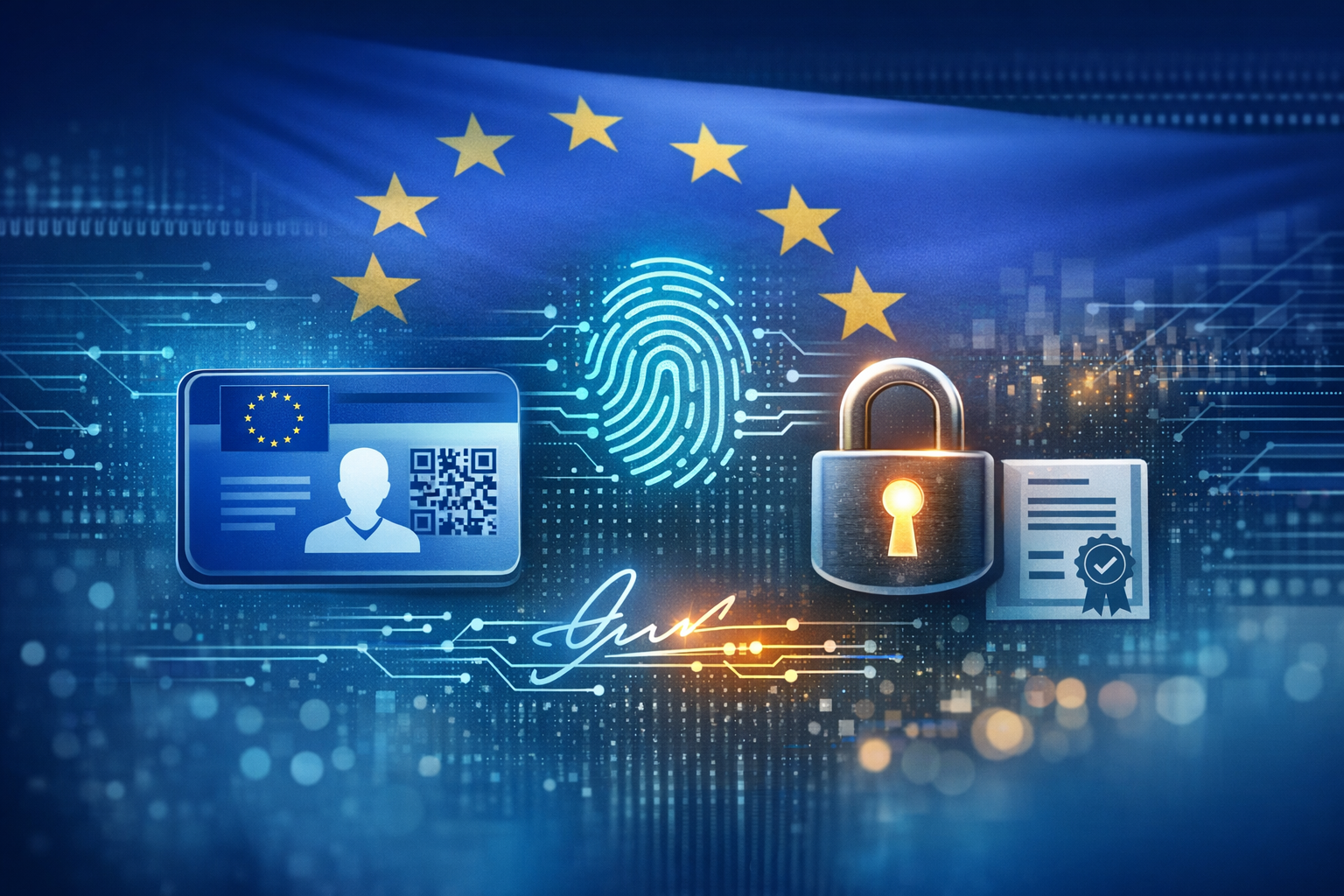
Digital identity and trust services are entering a decisive phase in EU. With the European Digital Identity Wallet, the revision of the eIDAS framework, and the increasing role of cybersecurity and data protection law, the regulatory landscape is becoming both richer and more complex.
This blog was created to reflect that reality.
Focus of the blog
The primary focus of this blog is digital identity and trust services, with particular attention to:
the European Digital Identity Wallet,
electronic signatures, electronic attestations of attributes and other trust services,
the legal and operational conditions under which trust is created in digital environments.
Rather than analysing these topics in isolation, the blog aims to look at them as part of a broader ecosystem in which eIDAS, cybersecurity and data protection law interact.
Connecting legal frameworks
eIDAS defines electronic identification and trust services, GDPR sets the boundaries for processing personal data, and NIS2 establishes cybersecurity obligations for entities operating critical digital infrastructure. Other instruments, such as DORA or sector-specific legislation, further add to this picture.
A key assumption behind this blog is that these frameworks need to be read together. Only by connecting them can one properly understand how digital identity and trust services are designed, operated and supervised in the Union.
Intended audience
This blog is intended for stakeholders and practitioners in digital identity and trust services, including legal professionals, policymakers, compliance experts, technical specialists and anyone with a professional interest in this field. It is also for the readers who are simply interested in how digital trust is built in Europe.
The aim is to write in a clear way, without oversimplifying the legal and technical realities.
What to expect here
The blog will feature:
analytical articles on developments in digital identity and trust services,
explanations of how different areas of EU digital law interact in practice,
references to official documents, legislative proposals, decisions and opinions at EU level,
pointers to relevant initiatives and discussions in the digital identity community.
Where possible, links to primary sources will be included, to make official documents easier to find and use.
A space for discussion
Beyond publishing articles, the blog aims to contribute to a broader professional conversation. Feedback, alternative views and suggestions for topics are welcome. Digital identity and trust services affect a wide range of stakeholders, and informed discussion is essential to their successful development.
Disclaimer
All views expressed on this blog are personal. They do not represent the position of any institution, body or organisation.